
A Bacillus by Any Other Name….still produces spores
A Bacillus by Any Other Name….still produces spores
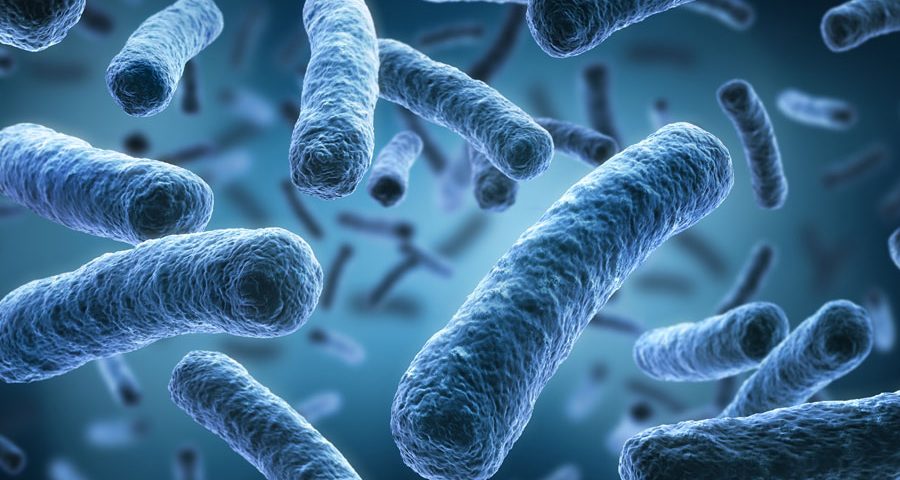
Members of the family Bacillaceae, including Bacillus and related genera, can produce endospores, which form within the bacterial cell as a means of survival during periods of nutrient depletion or other adverse environmental conditions. When external conditions become favorable for growth, the spore coat breaks open and a single vegetative cell emerges, a process known as germination. The hard outer coat of the endospore renders it resistant to a plethora of physical conditions and chemical agents, including heat, freezing, desiccation, UV and γ- radiation, high pressure, and disinfectants.
Because of their spore-forming capability and ubiquitous nature, Bacillus and related genera pose a risk in pharmaceutical sterile compounding and manufacturing settings. They are the most common bacteria associated with microbiological contamination of pharmaceutical products. They can enter cleanrooms through inadequately filtered air, on clothing and shoes of personnel, and on incoming materials. Material packaging, especially cardboard, may contain bacterial and fungal spores. Standard germicidal agents, such as isopropyl alcohol, quaternary ammonium compounds, and phenolics are not effective against bacterial spores. Inadequate cleaning and disinfection protocols, particularly failing to use a sporicidal agent or using it improperly, have been linked to pharmaceutical product contamination.
For these reasons, it is important to recognize when these organisms are causing excursions or are trending upward in the cleanroom setting.
In the environmental microbiology laboratory, these organisms are typically identified to the genus level as Bacillus spp. based on colony and microscopic morphology. While this approach is accurate most of the time, some strains do not display typical morphology and may require species identification. When species identification is performed, the familiar name of “Bacillus spp.” transforms into a Pandora’s box of new (sometimes hard to pronounce) names. About 240 Bacillus species have been genetically reclassified into more than 30 new genera (Table 1).
We identify only a small fraction of our Bacillus isolates to the species level. The genera in red text are ones we have seen in environmental monitoring (EM) cultures. Although you may infrequently see these names on your EM reports, it is helpful to be familiar with them and their ability to produce endospores.
Table 1: Genera derived from Bacillus spp.
| A | Alkalicoccus, Alkalihalobacillus, Alteribacter |
| B | Brevibacillus |
| C | Caldakalibacillus, Caldibacillus, Calidifontibacillus, Cytobacillus |
| D | Domibacillus |
| E | Ectobacillus, Evansella |
| F | Ferdinandcohnia, Fictibacillus |
| G | Gottfriedia, Gracilibacillus |
| H | Heyndrickxia |
| L | Lederbergia, Lentibacillus, Litchfieldia, Lysinibacillus |
| M | Margalitia, Mesobacillus, Metabacillus |
| N | Neobacillus, Niallia |
| O | Oceanobacillus, Ornithinibacillus |
| P | Paenibacillus, Peribacillus, Priestia, Psychrobacillus |
| R | Robertmurraya, Rossellomorea |
| S | Salibacterium, Salisediminibacterium, Siminovitchia, Solibacillus, Sutcliffiella |
| W | Weizmannia |
U.S. Micro Solutions, Inc.
U.S. Micro Solutions, Inc. U.S. Micro-Solutions, Inc. is a full-service, ISO 17025 accredited, CGMP-compliant environmental microbiology laboratory located in Latrobe, PA. Whether you are a cleanroom certifier, pharmacist, water treatment professional, industrial hygienist, or mold remediation specialist, we can assist you with choosing the right sample and the right test to meet your specific needs.
You can trust U.S. Micro-Solutions to deliver quality results, fast turn-around time, and exceptional customer service. Call us today at 724-853-4047, or visit our Contact Us page – we are here to help!